

Real estate has traditionally been shaped by location, construction costs, demographics, interest rates, and demand. In 2026, another force is becoming increasingly difficult to separate from the sector: technology.
Artificial intelligence, smart building systems, advanced data infrastructure, automation, and digital connectivity are changing not only how buildings are designed and operated, but also how companies decide where and how much space they need.
According to JLL’s 2026 global real estate outlook, the acceleration of artificial intelligence is having a more complex impact on the sector than the early narrative of widespread job displacement suggested. AI is increasingly influencing workplace design, operational efficiency, property demand, and investment decisions.
The result is a closer relationship between real estate and high technology — with each increasingly influencing the development of the other. Let’s review all the technology-driven changes and AI-based trends with Helinsight.
AI Is Moving From Experiment to Operating Model
One of the most significant changes in 2026 is the transition of AI from isolated experiments to a technology that can influence how organizations operate.
JLL reports that 42% of companies surveyed in its 2026 Future of Work Survey have moved beyond the initial AI pilot stage. At the same time, only 15% have progressed to AI-driven organizational change.
This gap is important for real estate. When AI becomes embedded into business processes, companies may reconsider how employees work, which activities require physical presence, how offices are configured, and what technology their buildings need to provide.
AI therefore does not simply represent another software investment. It can become a factor in corporate real estate strategy.

Smart Buildings Are Becoming Business Infrastructure
Modern buildings are increasingly expected to do more than provide physical space. Sensors, connected systems, automated building management, occupancy analytics, access-control technologies, predictive maintenance, and AI-powered systems can turn buildings into responsive digital environments.
This reflects a broader shift in expectations. Companies are increasingly looking for buildings that can provide:
- intelligent energy management;
- real-time occupancy insights;
- automated facility management;
- predictive maintenance;
- enhanced security;
- integrated workplace technologies;
- reliable digital connectivity; and
- personalized employee experiences.
The building itself is becoming part of the organization’s technology ecosystem.
The Workplace Is Becoming More Technology-Driven
The relationship between people and physical workplaces is also changing. Hybrid work has already challenged traditional assumptions about office utilization. AI is adding another layer by changing the nature of knowledge work and the way employees interact with technology.
Rather than simply reducing demand for offices, AI can contribute to different types of space demand.
Companies may require fewer conventional workstations but greater demand for collaboration areas, technology-enabled meeting rooms, innovation spaces, specialized infrastructure, and environments designed to support concentration and productivity.
This creates a shift from measuring real estate primarily by square meters toward considering the quality, functionality, and technological capabilities of those spaces.
Helinsight highlights the importance of workplace experience: more than 70% of office and frontline employees surveyed agree that the workplace contributes to their productivity. Technology and experience are therefore increasingly connected.
Data Infrastructure Is Becoming Part of Real Estate Strategy
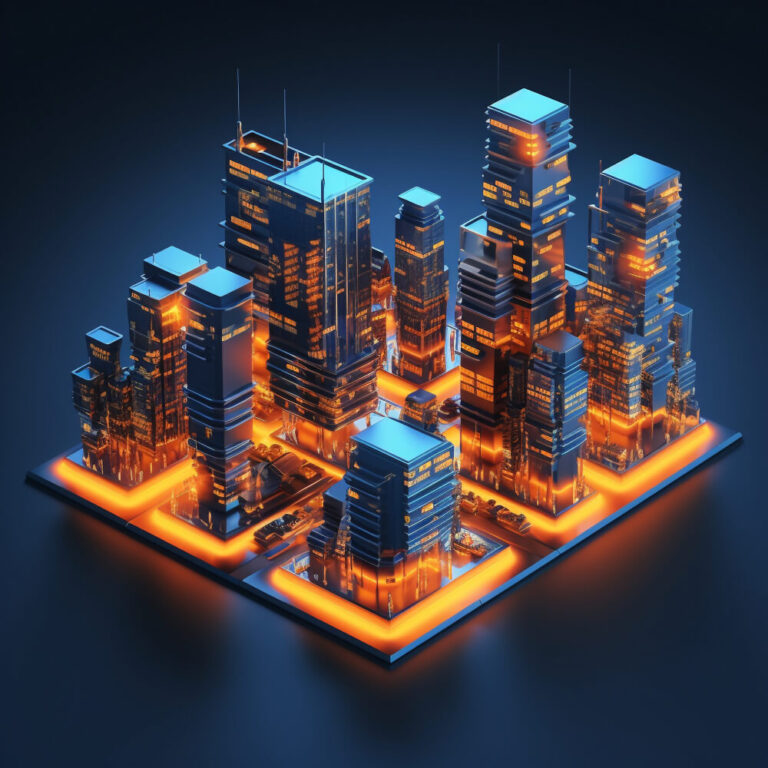
The growth of AI also creates a physical requirement that is easy to overlook: AI needs infrastructure. Advanced computing requires data centres, electricity, cooling systems, connectivity, storage, and secure physical environments. As organizations adopt more sophisticated AI applications, the demand for digital infrastructure becomes increasingly connected to real estate decisions.
This creates a new relationship between technology companies, infrastructure providers, utilities, investors, and property developers.
A building’s digital infrastructure can increasingly become as strategically important as its physical infrastructure. Reliable connectivity, sufficient power capacity, cybersecurity, data infrastructure, and technology-ready facilities can influence the attractiveness and long-term viability of a property.
AI Is Changing How Buildings Are Operated
AI can also influence what happens after a building has been developed. Instead of relying exclusively on fixed schedules and reactive maintenance, intelligent systems can analyze data from building equipment and identify patterns that indicate potential problems. For example, technology can help organizations understand:
- when and how spaces are being used;
- where energy consumption is highest;
- when equipment may require maintenance;
- how environmental conditions affect occupants;
- how building operations can be optimized; and
- where operational costs can potentially be reduced.
This is particularly important in 2026 because cost management has become a major priority for corporate real estate leaders. When energy, construction, materials, and operational costs increase, technology can become a mechanism for improving efficiency rather than simply an additional expense.
Cybersecurity Is Now a Real Estate Issue
The increasing digitization of buildings also introduces new risks.
A smart building can contain interconnected systems controlling access, energy, environmental conditions, communications, and other functions. As these systems become more sophisticated, cybersecurity and data protection become increasingly important. Helinsight notes that cybersecurity and data privacy as one of the leading technology-related challenges for commercial real estate portfolios, cited by 47% of respondents.
This means that technology strategy and real estate strategy can no longer be treated as completely separate functions. A technologically advanced building must also have the infrastructure and governance required to protect its systems and data.

Retrofitting Existing Buildings for the Digital Era
The technology transformation is not limited to new developments. With construction costs remaining under pressure and the supply of high-quality space constrained in many markets, upgrading existing properties can become an attractive alternative to building from scratch.
Retrofitting can combine physical improvements with digital transformation. An older building, for example, can be upgraded with:
- smart energy systems;
- connected building management;
- modern network infrastructure;
- intelligent security systems;
- occupancy monitoring;
- automated maintenance technologies; and
- technology-enabled workplace facilities.
This creates an opportunity to reposition existing properties while potentially improving operational efficiency and reducing the need for entirely new construction.
The New Value Proposition of Real Estate
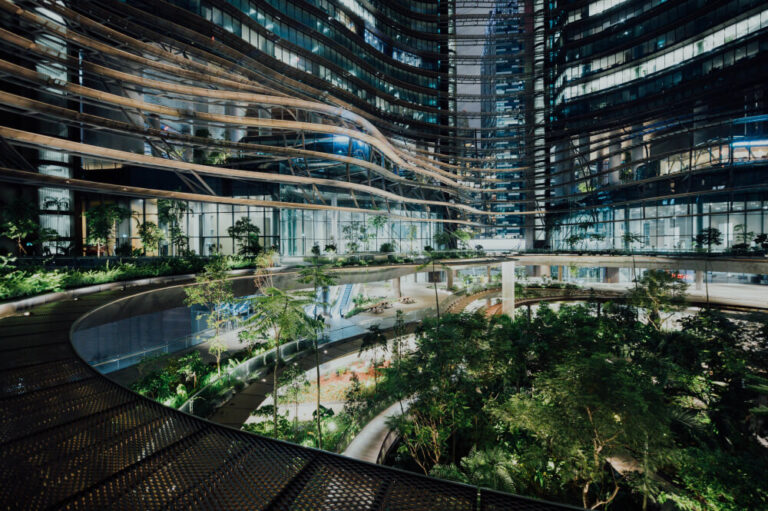
The convergence of AI and real estate is ultimately changing how property value can be understood. Location remains important. Physical quality remains important. But technology is increasingly becoming another layer of value.
A modern commercial property may need to offer not only attractive architecture and amenities, but also:
Connectivity + Data + AI + Security + Energy Efficiency + Flexibility + User Experience
This combination can determine how effectively a building supports the organizations and people using it.
What Comes Next?
The next stage of the real estate technology transformation is likely to be less about individual technologies and more about integration.
AI will increasingly interact with building management systems, workplace platforms, security infrastructure, energy technologies, data networks, and business applications.
The most important question will therefore not simply be whether a building uses AI.
It will be whether its technology ecosystem is integrated into the way the property and the businesses inside it actually operate.
For real estate companies, investors, developers, and occupiers, this creates a new strategic environment. Technology is no longer something added to a building after the physical asset is completed. Increasingly, it is becoming part of the building’s underlying infrastructure and part of the business case for the property itself.
To Sum Up
In 2026, the boundaries between real estate, technology, and business operations are becoming increasingly interconnected. AI is influencing workforce structures and workplace requirements. Smart technologies are changing building operations. Digital infrastructure is creating new real estate demand. Cybersecurity is becoming part of property risk management. And existing buildings are being upgraded to meet increasingly technology-driven expectations.
The future of real estate is therefore not simply about constructing better buildings. It is about creating intelligent, connected, secure, and adaptable environments that can evolve alongside the technologies and organizations they support.